Our Team

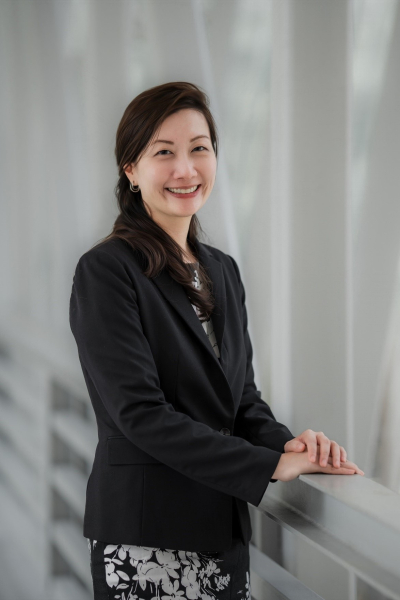
Associate Professor Su Xinyi
Executive Director, IMCB
Contact information:
xinyi_su@nuhs.edu.sg
xysu@a-star.edu.sg
A/Prof. Su Xinyi (PhD, MMed, FAMS, MBChir) is Executive Director, Institute of Molecular and Cell Biology (IMCB), Agency for Science, Technology and Research (A*STAR). She also serves as the Research Director overseeing the Translational Retinal Research Laboratory at IMCB. She is passionate about building bridges between science and medicine. Her research interests are in translational research for retinal surgery and therapeutics.
Concurrently, Xinyi is also Senior Consultant Ophthalmologist at the National University Hospital, where she also serve as the Co-Director of the Centre for Innovation and Precision Eye Health. She is also an Associate Professor at the Yong Loo Lin School of Medicine, National University of Singapore. She also holds an Adjunct Assistant Professor appointment at the Mechanobiology Institute, NUS, and a joint appointment of Clinician Scientist at the Singapore Eye Research Institute.
A recipient of the prestigious National Science Scholarship from A*STAR, Dr. Su Xinyi graduated from the University of Cambridge in 2009 with a MBChir degree in medicine as well as a PhD degree in molecular biology, supervised by Ashok Venkitaraman (presently Director of the Cancer Science Institute, Singapore, and Distinguished Professor, NUS Yong Loo Lin School of Medicine) at the Hutchinson MRC Cancer Cell Unit, where she developed a novel method to conditionally inactivate RAD51, an essential protein in homologous DNA recombination (HDR).
Xinyi has published several book chapters and numerous journal articles in, inter alia, Nature Biomedical Engineering, Nature Structural Molecular Biology, Nature Communications, PNAS, and Lancet Global Health. She has been awarded more than SGD30 million of competitive research funding. She is the recipient of multiple global and national awards, including, the Young Ophthalmologist Award from the Asia-Pacific Academy of Ophthalmology (2019), Ten Outstanding Young Persons of Singapore Award (for Medical Innovation, 2021), the Yong Loo Lin School of Medicine Young Researcher of the Year Award (2022), and the Asia Pacific Eye 100 (top 100 most influential ophthalmologists/visual scientists from the Asia-Pacific region, 2024). She was also accepted into the prestigious membership of The Macular Society.
The holder of several patents and technical disclosures, she is also a non-executive director of Vitreogel Innovations Pte Ltd, which she co-founded to commercialise the research from Translational Retinal Research Laboratory. She is also a scientific advisor to Eyestem (a cell therapy company), and an Executive Committee Member of the Stem Cell Society, Singapore.
Clinician Scientists
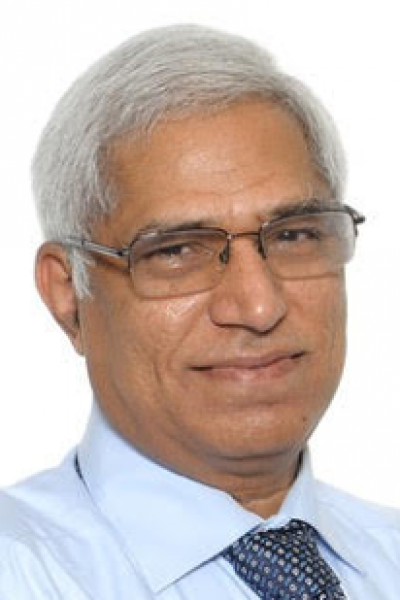
Associate Professor Lingam Gopal
Clinician Scientist
Senior Consultant (Vitreoretinal Surgery) at the National University Hospital
Senior Consultant (Vitreoretinal Surgery) at the National University Hospital
Contact information:
gopal_lingam@nuhs.edu.sg
ophlg@nus.edu.sg
Dr. Lingam Gopal completed his Ophthalmology clinical training in 1982 and subsequently underwent a fellowship in vitreoretinal surgery in 1983. He then did a MSc in Epidemiology in 2016 from the University of London.
Between the years of 1983 till 2011, he was practicing as a clinician and research at medical and vision research foundations in Chennai, India. He is currently a senior consultant at the National University Hospital (NUH) and honorary senior investigator at the Singapore Eye Research Institute (SERI).
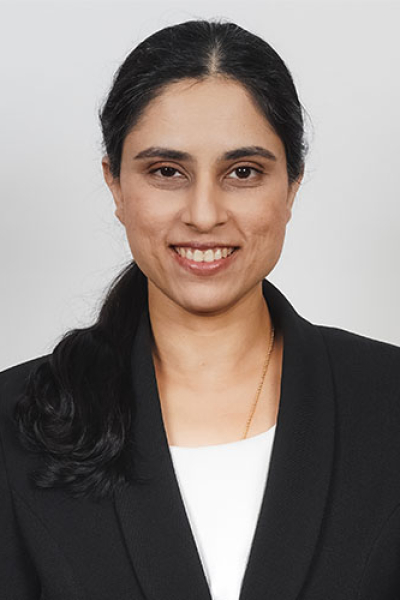
Dr. Mayuri Bhargava
Contact information:
e0157515@u.nus.edu
mayuribhargava@gmail.com
mayuri_bhargava@nuhs.edu.sg
Dr. Mayuri Bhargava is a clinician‑scientist specializing in medical retina and translational ophthalmic research. She is Principal Resident Physician in Ophthalmology at the National University Hospital, Principal Scientist I at IMCB, and Adjunct Assistant Professor at the Yong Loo Lin School of Medicine, National University of Singapore.
Her research interests include metabolic mechanisms that underlie retinal pigment epithelium (RPE) dysfunction in degenerative retinal diseases, with a central emphasis on developing mitochondrial‑based therapeutic strategies for age‑related macular degeneration (AMD). Her research integrates human stem‑cell–derived RPE systems, high‑resolution metabolic profiling, and preclinical mitochondrial‑rescue platforms to define how mitochondrial stress, glycolytic reprogramming, and disrupted bioenergetics contribute to RPE degeneration.
Her work is supported by a cohesive suite of competitive research grants spanning foundational discovery to translational innovation. These include the NMRC Research Training Fellowship for early RPE cell‑therapy development; the NMRC CS‑IRG New Investigator Grant supporting mitochondrial transplantation as a regenerative intervention; a Clinician Scientist Academy research grant exploring glycolytic shifts as biomarkers of mitochondrial dysfunction; and an NUHS SEED Grant extending mitochondrial transplantation strategies to polypoidal choroidal vasculopathy. She also contributes to collaborative initiatives such as an NMRC‑funded Optical Coherence Tomography angiography project, an Industry Alliance Fund program applying generative AI for retinal drug discovery, and a major NMRC‑LCG initiative advancing understanding of Asian AMD biology. Additional collaborative grants extend to diabetic‑retinopathy biomarker discovery and AI‑driven retinal‑imaging technologies.
Dr. Bhargava’s long‑term vision is to establish mitochondrial transplantation as a clinically translatable platform for rescuing degenerating RPE and building scalable assays for evaluating mitochondrial rescue in human RPE systems.
By bridging clinical retina expertise with mechanistic cell biology and therapeutic engineering, Dr. Bhargava is advancing a next‑generation mitochondrial‑targeted intervention pipeline for retinal degeneration.
Co-Investigators
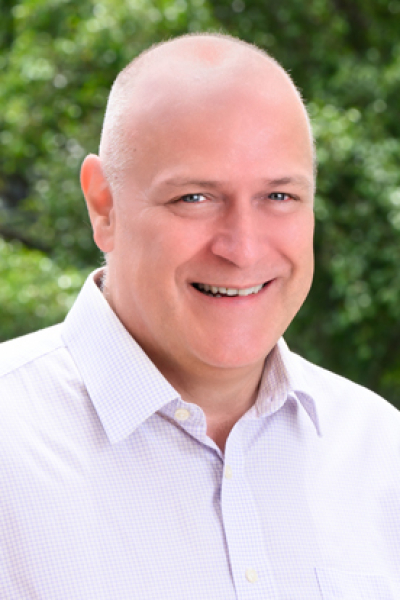
Associate Professor Walter Hunziker
Research Director at Institute of Molecular and Cell Biology (IMCB)
Contact information:
hunziker@a-star.edu.sg
Dr. Walter Hunziker obtained his PhD from the Swiss Federal Institute of Technology (Zurich) in 1986 where he worked on the cloning of the cDNA of small intestinal brush border enzyme sucrase-isomaltase. He did his post-doctoral work at Yale University before moving to the Biochemistry Institute of the University of Lausanne as a group leader to continue studying membrane traffic in epithelial cells. He joined IMCB in January 2000 as an Associate Professor and is currently serving as the Research Director of IMCB.
Dr. Walter Hunziker’s experience has provided the lab with valuable insights on retinal cellular biology, which have been crucial to the development of novel hydrogel materials and retinal therapeutics.

Assistant Professor Liu Zengping
Assistant Professor (Tenure Track) at Department of Ophthalmology, National University of Singapore (NUS)
Contact information:
ophlz@nus.edu.sg
Dr. Liu Zengping spent the past decade working on retinal pigment epithelial cell transplantation for retinal degenerative diseases. As a trained ophthalmologist, he utilises a multi-disciplinary approach including cellular biology, tissue engineer, in-vivo disease model creation and clinical research to solve the hurdles of treating retinal degenerative diseases.
He is currently focused on establishing a surgical non-human primate model for cellular delivery and developing novel hydrogels as vitreous tamponade materials.
Post-doctoral Scientists

Dr. Bhav Harshad Parikh
Senior Scientist
Contact information:
bhavhp@a-star.edu.sg
Dr. Bhav Harshad Parikh is a translational scientist in regenerative ophthalmology and serves as a Senior Scientist I at the Institute of Molecular and Cell Biology (IMCB), A*STAR, and an Adjunct Research Fellow in the Department of Ophthalmology at the National University of Singapore (NUS). He leads multidisciplinary research programmes and has expertise in stem cell biology, retinal disease modelling, and the preclinical development of regenerative therapeutics.
Dr. Parikh obtained his Bachelor of Science (Honours) in Biological Sciences from Nanyang Technological University (NTU) before joining the Translational Retinal Research Laboratory at NUS, where he completed his PhD under the mentorship of Dr. Su Xinyi. His doctoral research focused on biomaterial-based strategies to mitigate retinal fibrosis and promote tissue repair. He subsequently remained in the same laboratory as a Scientist, expanding his research into regenerative approaches for age-related macular degeneration (AMD) and inherited retinal diseases (IRDs).
His research seeks to overcome the biological barriers limiting the durability and clinical translation of regenerative therapies. By integrating cell and gene therapy, stem cell biology, and advanced disease models, he aims to develop innovative treatments that preserve and restore vision for patients with retinal diseases. He is particularly interested in bridging fundamental biological discoveries with clinical translation to accelerate the development of next-generation vision-restoring therapies.

Dr. Regha Kakkad
Senior Scientist
Contact information:
reghak@a-star.edu.sg
Dr. Regha Kakkad received her Ph.D. from the Centre for Cellular and Molecular Biology (CCMB), India. Her research background includes the epigenetics of genomic imprinting and acute myeloid leukemia at CeMM Vienna and the University of Birmingham. Currently, in the Translational Retinal Research Lab, she is working to understand the disease mechanism of age-related macular degeneration and on developing novel cell therapy-based approaches to treat it.

Dr. Asfa Alli Shaik
Senior Scientist
Contact information:
asfaas@a-star.edu.sg
Asfa Alli Shaik, PhD, is a Senior Scientist and Computational Biologist at the Institute of Molecular and Cell Biology (IMCB), A*STAR, Singapore. She obtained her Bachelor’s degree in Industrial Biotechnology from Anna University, India, and completed her PhD in Biological Sciences at the National University of Singapore in 2013. She subsequently pursued her postdoctoral training at IMCB, where she developed strong expertise in proteomics and bioinformatics towards diagnostic biomarkers and target discovery.
Currently, in the Translational Retinal Research Lab, her work leverages on bioinformatics, AI and multi-omics approaches to advance retinal therapeutics. She is particularly interested in understanding graft survival and immune modulation to enhance next generation retinal cell therapy solutions for age-related macular degeneration (AMD). Driven by her deep expertise in biology and data science, she oversees a large, cross-disciplinary drug discovery programme that integrates patient-derived models, high content screening, and AI to accelerate therapeutic discovery in AMD.

Dr. Animesh Banerjee
Scientist
Contact information:
banerjeea@a-star.edu.sg
Dr. Animesh Banerjee finished his PhD at Banaras Hindu University, India, where he studied the role of miRNA and its regulators in the maintenance of neural stem cells in fruit fly (Drosophila). Following this, he worked as a postdoctoral research fellow in the RNA in Disease and Translational Tchnologies Lab, IMCB, A-star. His projects were focused on exploring the neural circuitry and mechanisms of movement disorders related to age-related neurodegenerative diseases as well as in miRNA mutants using fruit fly.
Passionate for the translational and clinical application of stem cells, Animesh is working to optimize the differentiation of retinal progenitor cells derived from pluripotent stem cells. With collaborations across various disciplines within A*STAR, he is establishing a retinal co-culture disease model to understand better the role of specific gene mutations in disease dynamics.

Dr. Munirah Santosa
Scientist
Contact information:
munirahs@a-star.edu.sg
Munirah Mohamad Santosa, PhD, is a stem cell biologist and translational researcher. She obtained her BSc (Hons) in Biological Sciences from the Nanyang Technological University (NTU), where she first explored patient-derived stem cells in neonatal diabetes with Dr. Adrian Teo (IMCB, A*STAR). She then pursued a PhD under scholarship at the National University of Singapore (NUS) Yong Loo Lin School of Medicine, working in Dr. Ng Shi Yan’s lab (IMCB, A*STAR) on pluripotent stem cell models of neuronal aging.
Dr. Munirah is currently a Scientist (Research Fellow) at the Translational Retinal Research Laboratory, where she leads the Photoreceptor Platform. She has established 2D and 3D iPSC-to-retinal differentiation pipelines and works with patient-derived iPSC lines to model inherited retinal diseases (IRDs). Her research is driven by a translational vision — bridging in vitro disease modelling and cell and gene therapy approaches with clinical insights through collaboration with an IRD patient cohort. She has also previously contributed to industry-collaborative work on cell therapy using hypoimmunogenic retinal cells.
Her research interests span iPSC-derived retinal disease modelling, cell and gene therapy, multi-omics, and AI-driven approaches to advance understanding of IRDs and accelerate next-generation retinal therapeutics.

Dr. Hazel Xiaohui Ang
Scientist/ Senior Manager
Contact information:
angxh@a-star.edu.sg
Hazel Ang (pronouns: they/them) is passionate about exploring the intricacies of aging biology and pharmacology. They specialize in leveraging high-throughput pharmacological screening methodologies to discover potential aging-preventive interventions. Currently, they work at the Business Development (TechBiz) Team as a Senior Manager at IMCB, managing intellectual property portfolio, scoping out scientific innovations for biotech and pharma collaborations, and supporting the Precision Health – Healthy Longevity subsector and MedTech sector.
Hazel earned a Bachelor of Science in Pharmacy with First Class Honours from the National University of Singapore in 2012 and gained experience as a clinical pharmacist at Singapore General Hospital. In 2015, they were awarded the A*STAR National Science Scholarship (PhD). They completed their PhD in Pharmacology in 2021 at Duke University (Durham, North Carolina, USA), at Kris Wood’s lab, focusing on primary drug resistance in precision cancer therapies through genome-wide genetic and pharmacological screening. Transitioning from cancer research to the aging field, Hazel joined Christian Riedel’s lab at Karolinska Institutet (Stockholm, Sweden) as a postdoctoral researcher from 2021 to 2024. There, they collaborated with AstraZeneca AB and Federico Pietrocola’s lab to develop a transcriptomics-based biological age prediction method, along with a multi-parametric cell-based high-throughput screening strategy for geroprotector drug discovery.

Dr. Shermaine Low Wan Yu
Scientist
Contact information:
lowwy@a-star.edu.sg
Shermaine completed her Diploma in Optometry (Merit) at Singapore Polytechnic before earning a BSc (Hons) in Biological Sciences from Nanyang Technological University, Singapore. She subsequently pursued her PhD under the mentorship of Dr. Shyam S Chaurasia at the Medical College of Wisconsin, where her research focused on leveraging small leucine-rich proteoglycans and its mimics as therapeutic agents for retinal diseases, including retinopathy of prematurity and diabetic retinopathy.
Driven by her interest in translational ophthalmology, she joined Dr. Su Xinyi’s lab as a Research Fellow. Her current work centers on preclinical evaluation of emerging therapeutic modalities, alongside the development of novel in vivo models of age-related macular degeneration and subretinal fibrosis.

Dr. Clarissa Lee E Hui
Scientist
Contact information:
leeeh@a-star.edu.sg
Clarissa graduated with a BSc (Hons) in Life Sciences from the National University of Singapore (NUS). She subsequently pursued her PhD at the NUS Yong Loo Lin School of Medicine where she focused on mechanisms of immune modulation in triple negative breast cancer. Her previous research experience also includes investigating anti-cancer properties of natural killer cells. Wanting to explore new areas of biology, she joined Dr Su Xinyi’s lab at IMCB after completing her PhD, where she now uses both in vivo and in vitro models of AMD to identify and validate novel disease targets.

Dr. Cao Yujia
Scientist
Contact information:
cao.yujia@nus.edu.sg
Dr. Cao Yujia obtained her MSc and PhD in Food Science and Technology from the National University of Singapore (NUS) under the supervision of Prof. Huang Dejian. Her previous research focused on the structure-activity relationship and underlying molecular mechanism of the antioxidant, anti-inflammatory and antiviral effects of flavonoids. She also had experience in establishing 3D-printed scaffold-based cell culture system for drug discovery. Out of interest in translational research, she currently works with Dr. Liu Zengping on the development of biomimetic scaffold-based cell culture systems for retinal tissue engineering.

Dr. Liu Tong Ming
Senior Scientist
Dr. Tong Ming Liu received his Ph.D. in Genetics from the Institute of Hydrobiology, Chinese Academy of Sciences. He has many years of research experience in stem cell biology and regenerative medicine, with a primary focus on mesenchymal stem cells (MSCs), gene and cell therapies, stem cell engineering, and chemically defined culture systems. His current research interests include retinal pigment epithelium (RPE) biology and the development of cell-based therapies for retinal diseases.
Dr. Liu has authored more than 30 peer-reviewed publications in leading journals in the fields of stem cells, tissue engineering and regenerative medicine. He has served as a Guest Editor for several international journals, is a member of the editorial boards of more than 40 peer-reviewed journals, and regularly reviews manuscripts for over 20 international scientific journals.
As Principal Investigator or Co-Principal Investigator, Dr. Liu has secured multiple competitive national research grants and is an inventor on several patents related to stem cell-based gene therapy, stem cell culture media and cell processing technologies. His research has also contributed to the commercialization and licensing of stem cell culture media for research and clinical applications.
Outside the laboratory, Dr. Liu enjoys swimming, gardening, and keeping ornamental fishes.

Dr. Vineeth T Mukundan
Senior Scientist
Vineeth is a computational biologist in the Lab. He completed his Bachelor’s and Master’s degrees in Physics before moving to Singapore to pursue a PhD in Biophysics at Nanyang Technological University, where he studied the structure of short DNA sequences. Following a postdoctoral position at New York University Abu Dhabi (NYUAD), he transitioned into a bioinformatics career. He joined the Cancer Science Institute of Singapore as a Bioinformatics Research Fellow within a core proteomics facility, where he worked on proteomics and multi-omics datasets related to Cancer.
He then worked for Genentech through Roche Canada as a computational biologist, responsible for analyzing multi-omics datasets generated from retinal tissue in the context of Age-Related Macular Degeneration (AMD). He subsequently joined the lab, where he continues his work on AMD. Here, he focuses on spatial transcriptomics datasets of the retina to better understand AMD biology, while also supporting RPE differentiation approaches through bioinformatics.

Dr. Annika Rick-Lenze
Scientist
Contact information:
ricklenzevaz@a-star.edu.sg
Annika Rick-Lenze, PhD, is a scientist specialising in developmental biology and stem cell research. She completed her BSc (Hons) in Biomedical Sciences at Queen Mary University of London and an MSc in Genes, Drugs and Stem Cells – Novel Therapies at Imperial College London.
She earned her PhD in Developmental Biology at the University of Manchester, investigating the molecular mechanisms of human retinal development using iPSC-derived retinal organoids, with a focus on YAP1 signalling. Her research combined stem cell differentiation, CRISPR interference (CRISPRi), and perturbation approaches to dissect developmental signalling pathways.
Motivated to translate fundamental research into therapeutic applications, she joined the Translational Retinal Research Lab at the A*STAR Institute of Molecular and Cell Biology (IMCB), Singapore, where she works as a Scientist, developing and validating translational cell-based platforms to support the development of therapies for age-related macular degeneration (AMD).
Research Assistants

Queenie Tan Shu Woon
Lead Research Officer
Contact information:
swtan@a-star.edu.sg
As a research officer, Queenie supports the in-vivo mice retinal imaging and molecular biology techniques for the projects in the lab. She has a research interest in the mechanisms of retinal degenerative diseases.

Daniel Wong Soo Lin
Research Associate
Contact information:
ophwsl@nus.edu.sg
Daniel is a Research Associate in the Department of Ophthalmology, Yong Loo Lin School of Medicine, National University of Singapore. He obtained his Bachelor’s degree in Biological Sciences from Nanyang Technological University and a Master of Science from the National University of Singapore.
Daniel joined the laboratory under the leadership of Assoc Prof Su Xinyi and works closely with Asst Prof Liu Zengping on translational Ophthalmic Regenerative Biomaterials research. His work focuses on the preclinical development and evaluation of biomaterial- and cell-based therapies for retinal regeneration. His research involves vitreoretinal surgical procedures, longitudinal retinal imaging, electrophysiological assessments, histological evaluation, and the processing of retinal tissue samples for molecular studies, including transcriptomic sequencing workflows.
His research interests include retinal regenerative medicine, biomaterials for ocular applications, retinal pigment epithelium transplantation, retinal imaging, and the translation of regenerative therapies from preclinical studies to clinical application.

Rajvinder Singh Khare
Research Associate
Contact information:
khareraj@nus.edu.sg
Raj graduated from King’s College London with a Masters in Neuroscience, specializing in neural stem cells and nervous system repair. He has previous research experience in neurodegenerative diseases, including Amyotrophic lateral sclerosis and Parkinson’s disease. As a research officer, Raj supports the lab’s effort in optimization and generation of retinal organoids as a disease model. He also hopes to further elucidate polymer and retinal pigmentation epithelial cell interaction to prevent disease scarring.

Nur Rasyiqah Bte Rasman
Laboratory Officer
Contact information:
rasmannrb@a-star.edu.sg
Rasyiqah is a graduate of Republic Polytechnic, holding a Diploma of Biomedical Science. During her Internship and Final Year Project (FYP), she worked to generate an in-vitro model of aged Retinal Pigment Epithelium (RPE) and used the model to determine if RPE undergo multinucleation during the aging process.
Now as an official staff under the lab as a Laboratory Officer since 2024, she works with stem cells and peripheral blood mononuclear cells (PBMC). Her expertise ranges from stem cell characterization assays, stem cell differentiation to RPE cells and confocal high end content microscopy.
Her research interests mostly focus on cell-to-cell interactions and how their interactions affect their surroundings.

Karen Indrawinata
Research Officer
Contact information:
indrawinatak@a-star.edu.sg
Karen completed her Honours B.Sc. in Neuroscience and Physiology at the University of Toronto. She has experience in preclinical neuroscience research, including animal work, tissue processing, and imaging techniques. She joined Dr. Su Xinyi’s lab as a Research Officer, where she supports studies exploring new therapeutic approaches and developing in vivo models of retinal diseases, including age-related macular degeneration and subretinal fibrosis. She is particularly interested in the translational aspects of research, linking experimental work to clinical relevance.

Wong Yee Teng
Research Associate
Contact information:
yeeteng.w@nus.edu.sg
Yee Teng graduated from the National University of Singapore (NUS) Yong Loo Lin School of Medicine with a Master’s of Applied Biomedicine, where she explored the downstream quality and characteristics of induced pluripotent stem cells in efforts to address haemoglobinopathies under the Department of Obstetrics and Gynaecology.
Currently, as a research associate, she works closely with Dr. Liu Zengping, supporting projects on stem cell differentiation, retinal pigment epithelial cells and photoreceptor cells.

Jeff Winxin Lopez Collado
Research Officer
Contact information:
colladojwl@a-star.edu.sg
Jeff graduated from Yale-NUS College with a Bachelor of Science (Honours) in Life Sciences. His prior research experience spans from addiction genetics, zebrafish neurobiology and behaviour, as well as gut-brain communication and neural activity through in vivo imaging in mice. His undergraduate research focused on the neurogenetics of substance addiction using zebrafish models, integrating molecular and genetic approaches with behavioural assays.
He joined Dr. Su Xinyi’s lab to further explore translational biomedical research and stem cell biology. At the Translational Retinal Research Lab, Jeff works on the GEMINI-EYE project, focusing on generating and characterising patient-derived iPSCs for retinal disease research. He also supports research investigating RNA-based therapeutics for neovascular age-related macular degeneration.
His research interests lie at the intersection of stem cell biology, neurobiology, and translational research, with a growing interest in using human cellular models to better understand disease and advance the development of novel therapies.

Izzah Nabilah Hussein
Research Officer
Contact information:
husseinninb@a-star.edu.sg
Izzah graduated with a BSc (Hons) in Biological Sciences from the University of Dundee. She has background in cancer biology, immunology, and microfluidics-based 3D models, with experience in confocal microscopy, flow cytometry, and histology. She joined Dr Su Xinyi’s lab at IMCB to broaden her expertise in biomedical research techniques and currently focuses on characterizing cells for translational age-related macular degeneration (AMD) research.

Michelle Ong
Research Officer
Contact information:
michelle_ong1@nuhs.edu.sg
Michelle graduated from the University of Western Australia with a Bachelor of Biomedical Science and is currently working as a Research Officer with experience in cell biology and translational research. In her previous role, she worked closely with postdoctoral researchers on fibrosis studies and a cultivated food project, where she evaluated the effects of growth factors on cell proliferation and differentiation to optimise cell culture conditions.
Currently, she works alongside postdoctoral researchers on retinal disease research, focusing on trans-differentiation and mitochondrial-based therapies for eye diseases. Her responsibilities include maintaining cell cultures, performing molecular and cellular assays, optimising experimental protocols, analysing data, and supporting the development of novel therapeutic strategies.
Working across diverse research areas has strengthened her adaptability, critical thinking, and ability to collaborate effectively within multidisciplinary teams. She is passionate about applying scientific research to advance regenerative medicine and develop innovative treatments for degenerative diseases. She is committed to continuously expanding her technical expertise while contributing to impactful research that bridges fundamental science and clinical applications.
PhD Students

Yeo Yan Zhuang
PhD Student
Contact information:
e1101908@u.nus.edu
Yanzhuang graduated from Nanyang Technological University (NTU) with a Bachelor of Science with Honors in Biological Sciences in January 2022. Her keen interest in translational research led her to join the Translational Retinal Research Laboratory in January 2023 to pursue her PhD.
Her current research focuses on investigating the therapeutic potential of mitochondria transplantation using mitochondria derived from different cell sources in retinal pigment epithelium (RPE) models of age-related macular degeneration (AMD). Her work aims to understand how mitochondria transplantation can improve mitochondrial health and cellular function in AMD RPE cells.
Her research interests broadly encompass mitochondrial biology, including mitochondrial metabolism, dynamics, and mitochondria-based therapeutics.

Danesh Thangeswaran
PhD Student
Contact information:
danesh_thangeswaran_from.tp@a-star.edu.sg
e1503321@u.nus.edu
Danesh holds a Bachelor of Health Science in Biomedicine and a Master of Science in Molecular Medicine from Universiti Sains Malaysia, where he trained in Shahrum’s lab investigating molecular mechanisms underlying Alzheimer’s disease. He joined the Translational Retinal Research Laboratory at the Yong Loo Lin School of Medicine, National University of Singapore, as a PhD student in January 2025.
His current research focuses on retinal ciliopathies, with an emphasis on protein biology and disease mechanisms. He employs a multimodal experimental framework integrating zebrafish models, retinal organoids and iPSC-derived photoreceptors to dissect gene and protein function in the retina.
Danesh is particularly interested in defining the domain-specific functions of EYS and understanding how pathogenic variants disrupt primary cilia architecture and photoreceptor integrity in inherited retinal diseases. His work aims to bridge molecular insights with translational applications, contributing to the development of targeted therapeutic strategies for EYS-associated ciliopathies.
Lab Alumni
Abdurrahmaan Al-Mubaarak Bin E, Research Officer
Balasankar Meera Priyadarshini, Scientist